The Old Frame
Every new technology gets marked against established criteria, through the lens of the past. Always with hindsight, we see the old frame remade.
The genre is unmistakable by now. A senior engineer with a decade on their profile posts a short thread, often above a stock photograph of hands on a keyboard, asking how the next generation will ever learn to code if they spend their first years managing agents instead of writing the code themselves. The replies agree:
We will lose the craft; we are the last bastion of these skills.
The worry is not baseless. Anthropic’s 2024 randomised trial took 52 software engineers, mostly junior, and split them into an AI-assisted group and a hand-coding group on the same task. The AI-assisted group scored 17 percentage points lower overall on a comprehension and debugging quiz afterwards (50% against 67%). The largest gap was on the debugging questions. The numbers are real. Time saved was negligible.
The old frame is applied. The questions are classical; they test the established discipline. No wonder, then, that those who followed the classical path are measured favourably.
When a transformative technology arrives, it is measured from the perspective of the historical methodology. The pattern is older than any single example.
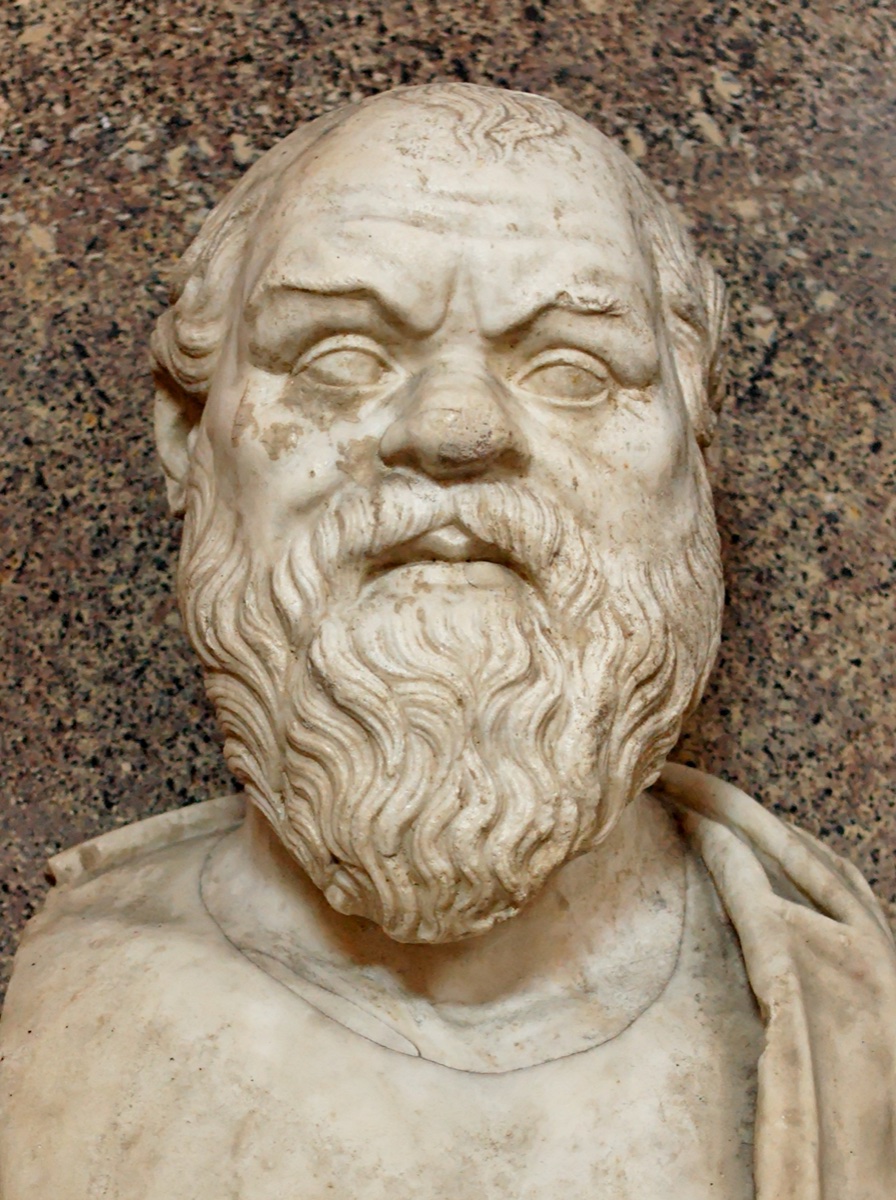
Socrates, in Plato’s Phaedrus, has Thamus refuse the gift of writing on the ground that it will “produce forgetfulness” in those who learn it, and that readers will “seem to know many things, when they are for the most part ignorant”. Writing was scored on the criteria of memorisation, and came up short.

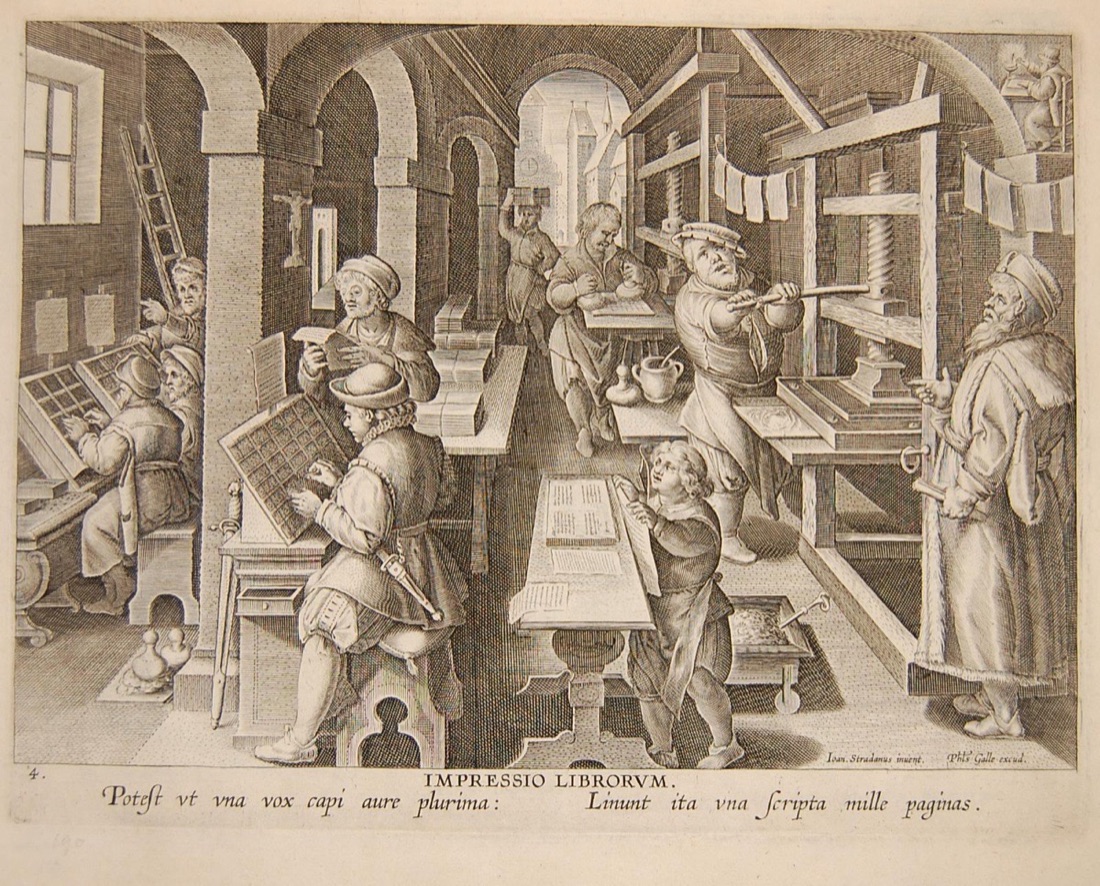
In 1545, Conrad Gesner complained of the “confusing and harmful abundance of books” loosed on the learned world by the printing press, and called on princes and scholars to act. The technology was real and the reading public was genuinely overwhelmed, as Ann Blair’s Too Much to Know documents in detail. The proposed move (resist the abundance, restore the old reading discipline) was the wrong lever. The response that mattered was a new reading practice, not a return to the old one.

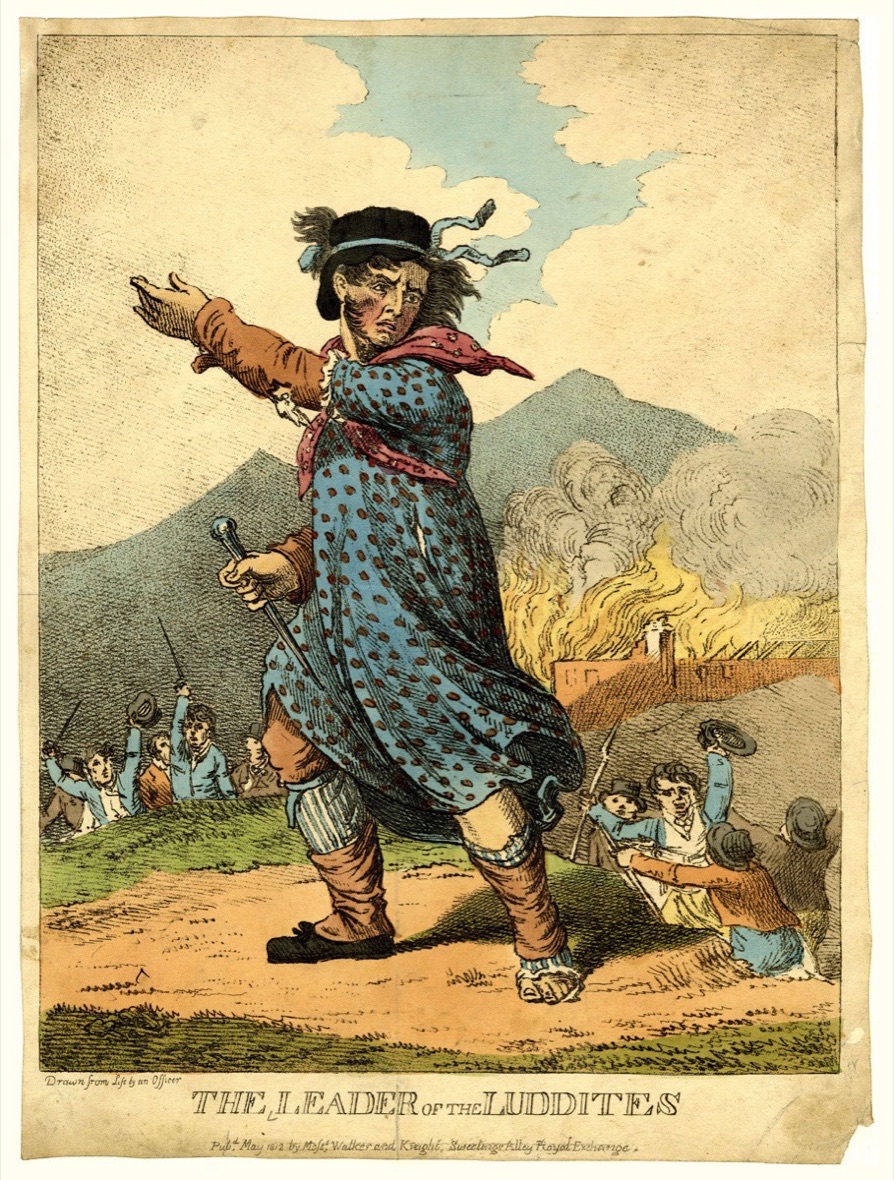
The Luddites are the careful case. The skilled framework knitters and croppers of 1811 were not technophobes; many were expert operators of the machines they later broke. They were right about the threat in front of them. Mechanised production really did destroy their trade, push wages down, and displace a generation of skilled labour into much worse work. The concern was valid. The error was in the lever. “Preserve the existing industry” was the only move the old frame offered, and it was the one move that could not work. The new frame took most of the century to come into view: labour organisation, universal schooling, eventually a different settlement between capital and worker. None of it was visible from inside the trade being broken.

In February 1995, Clifford Stoll wrote in Newsweek that the Web would not amount to much:
The truth is no online database will replace your daily newspaper, no CD-ROM can take the place of a competent teacher and no computer network will change the way government works.
Three years later, Paul Krugman predicted in The Red Herring:
By 2005 or so, it will become clear that the Internet’s impact on the economy has been no greater than the fax machine’s.
In each case the new technology was real, and the response to it was framed by what it was replacing.
The wise were not wrong to worry, but they were applying yesterday’s criteria, and the criteria were about to change. The next generation will find uses for these tools that we have not imagined, because they are not held back by our frame. The work in front of us is not to shield them from the tooling but to equip them to be good at it. Agentic fluency is the engineering skill of their era: knowing when to delegate, how to specify, where to insist on reading the diff. The job is teaching, not protection.
This is not a claim that everyone moves up the abstraction stack. A real niche remains closer to the tin: compilers, kernels, embedded systems, the parts where the abstractions leak and somebody has to look underneath. That work does not disappear; it gets more specialised.
In 1930, Keynes asked what people would do with their freedom from pressing economic cares once the productivity gains of his century arrived. The question survives every lever change since, and arrives at this one intact.
Real concerns remain. Security now moves at machine speed: vulnerabilities surface faster than humans can patch them, and the honest answer is yes; we may have to work harder, but we can make new, better tools to help us.
Geoffrey Hinton’s Nobel banquet speech calls explicitly for new research into how to keep more capable systems under control. That is the work of someone applying fresh thinking to a new problem, not flinching from it.
The solutions will be new, and they will come from those young or nimble enough to think beyond the old frame.